
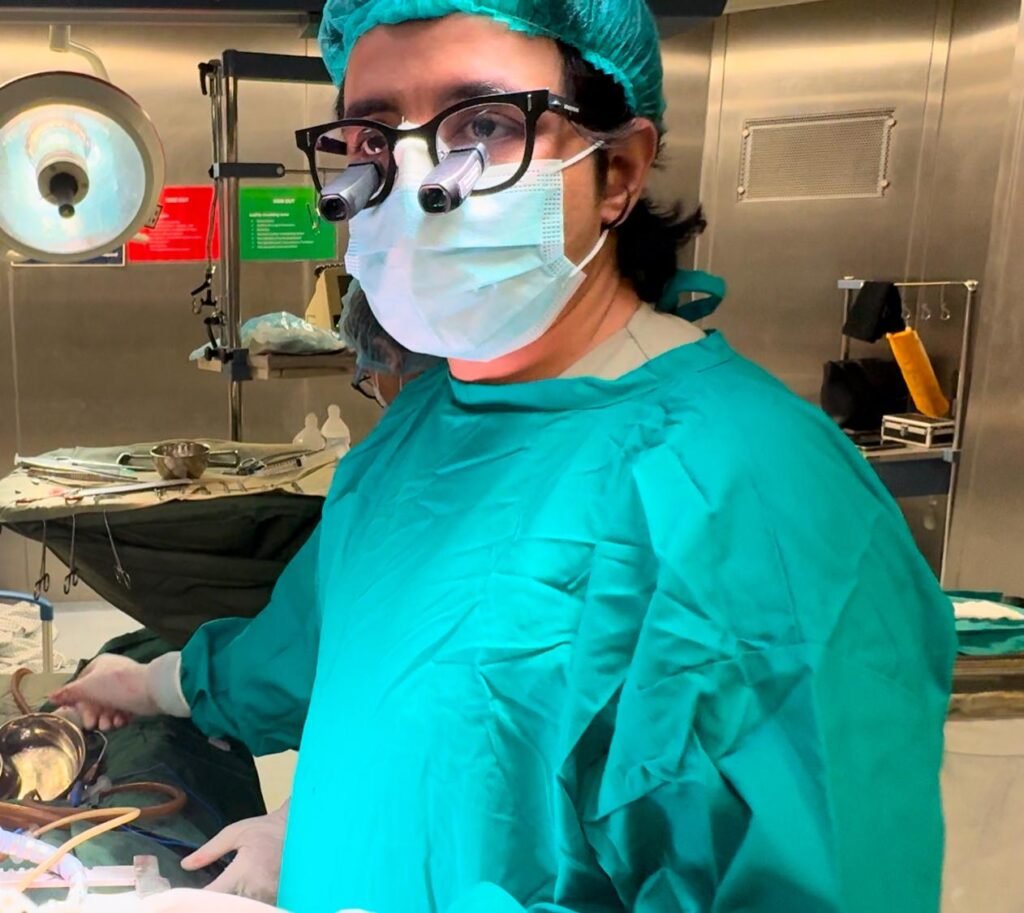
Dr. Arman Khan is a Consultant Cardiac Surgeon in Kabul providing surgical evaluation and treatment for adults and children with heart conditions that may require cardiac surgery.
With an MS in Cardiac Surgery, Fellowship training in Pediatric Cardiac Surgery, and focus on Minimally Invasive Cardiac Surgery (MICS), he evaluates each patient individually to determine the most appropriate surgical approach.

Expert Heart Care, Compassionate Approach
Dr. Arman Khan is a Consultant Cardiac Surgeon based in Kabul, Afghanistan, with an MS in Cardiac Surgery and Fellowship training in Pediatric Cardiac Surgery. His professional focus also includes Minimally Invasive Cardiac Surgery (MICS).
Heart surgery is rarely a decision based on one test or symptom alone. Before recommending an operation, the underlying heart condition, its severity, available investigations, previous treatment and the patient’s overall health need to be considered together.
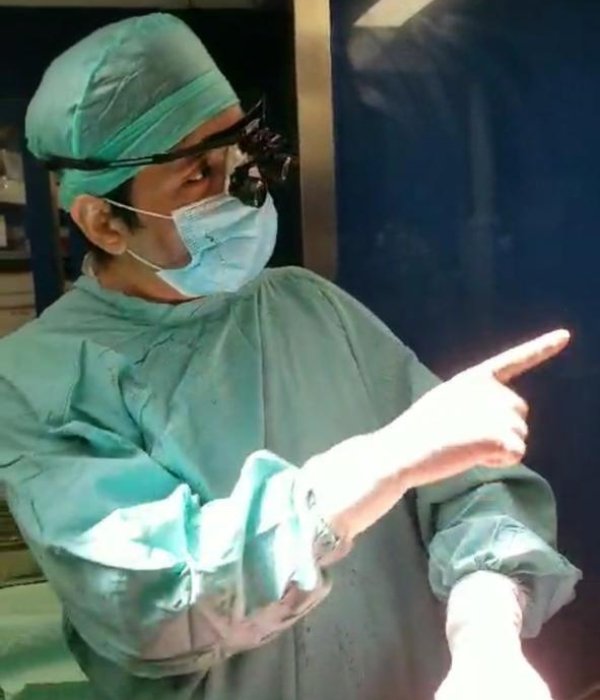
Dr. Arman Khan’s role is therefore not limited to performing an operation. A cardiac surgical assessment also involves understanding whether surgery is needed, what type of operation may be appropriate, what alternatives should be considered and what the patient or family can expect before and after treatment.
For parents seeking care for a child, adults referred for cardiac surgery, or patients looking for another opinion before an operation, the consultation provides an opportunity to review the condition and discuss the next step based on the individual case.
Heart surgery covers different conditions, age groups and surgical approaches. The treatment considered for blocked coronary arteries is different from surgery for a damaged heart valve, a congenital heart defect or a disease of the aorta.
Dr. Arman Khan’s current cardiac surgery practice in Kabul includes the following areas. The need for an operation and the most appropriate approach are assessed according to the individual diagnosis and available investigations.
A cardiac surgeon consultation is usually recommended when a heart condition may require surgical treatment.
You may need a cardiac surgical evaluation for conditions such as:
A consultation helps determine whether surgery is the right option based on your diagnosis, test results, heart function and overall health.
If you have already been advised to undergo heart surgery, a surgical review can help you understand the recommended procedure and available treatment options.
+93 74 445 6463
Your decision to work with Dr. Arman Khan means you gain from his extensive experience, medical expertise, and profound dedication to patient health. His medical record demonstrates exceptional outcomes from surgeries while attracting numerous patients to become his best choice among contemporary cardiac surgeons.
Dr. Arman Khan approaches each case with expertise because he has previously conducted thousands of cardiac procedures successfully.
Our surgery center integrates the most recent medical technology to deliver safe and effective patient treatments.
Each patient receives customized care because their health needs are given special attention in treatment.
Our center maintains two essential pillars: medical and emotional support for the patients from the beginning to the end of their treatment journey.
As a patient of Dr. Arman Khan, you acquire access to professionals who will support your heart health through their full dedication. Our cardiac care services provide the following sequence of experiences:
The healthcare provider examines you thoroughly conducts diagnostic evaluations and describes customized treatments for your problem.
Personalized guidance on preparation, lifestyle adjustments, and medications before surgery
The highest-quality surgical treatment utilizes cutting-edge techniques to deliver the most effective results to patients.
Postoperative Recovery includes thorough follow-up care, rehabilitation programs, and long-term health monitoring to achieve complete patient recovery.
Our Happy Paitents
Our organization devotes itself to life-saving while working to enhance patient results through advanced medical solutions and emphatic healthcare delivery. Dr. Arman Khan helps you take leadership in heart health management today.

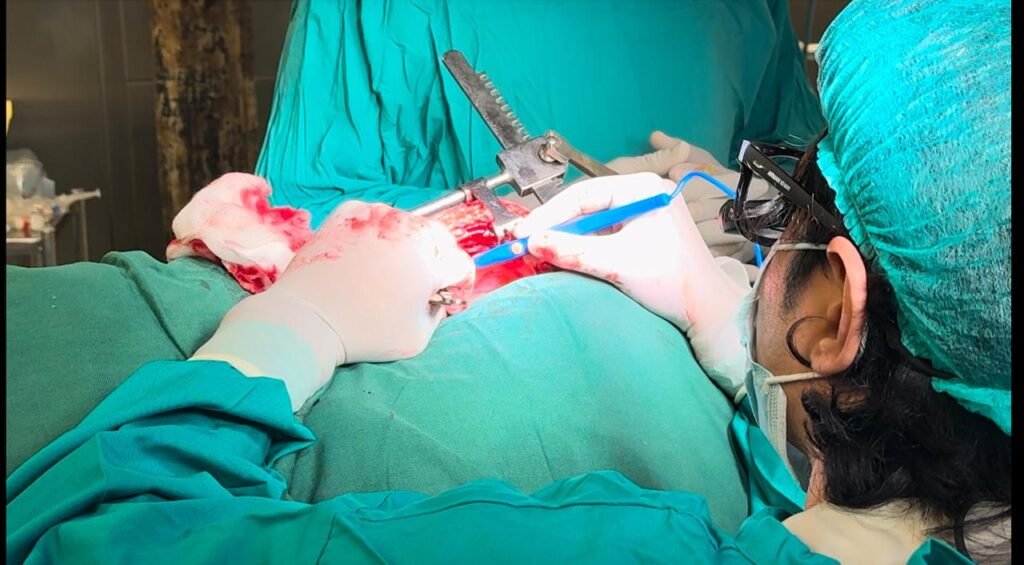

A second surgical opinion can help patients better understand their diagnosis, recommended procedure and available treatment options before making an important decision.
Dr. Arman Khan can review available investigations and previous treatment recommendations to help clarify the next steps.
Throughout Dr. Arman Khan’s clinic, we celebrate the medical achievements of our patients. The clinic provides complete medical expertise, compassion, and personalized care to every patient who seeks treatment with us. Submit an appointment right now to benefit from superior cardiac surgery practices.
A cardiac surgeon is usually consulted when tests show a heart condition that may require an operation, such as significant coronary artery disease, severe valve disease, an aortic condition or a congenital heart defect. A consultation helps determine whether surgery is actually appropriate.
No. A referral means that a surgical opinion is needed. The final decision depends on the diagnosis, severity of the condition, test results, other treatment options and the patient’s overall health.
CABG may be considered for certain patients with significant coronary artery disease. The decision depends on factors such as the location and complexity of blocked arteries, symptoms, heart function and whether bypass surgery, angioplasty or medical treatment is more appropriate.
Valve intervention is generally considered when valve disease becomes severe and is causing symptoms, affecting heart function or creating a significant risk of further heart damage. Whether repair or replacement is preferable depends on the valve, its anatomy and the individual patient.
No. Minimally invasive cardiac surgery is suitable only for selected patients and procedures. Heart anatomy, the operation required, previous surgery and other medical factors can determine whether a smaller-incision approach is appropriate.
No. Congenital heart defects range from mild to complex. Some children only need monitoring, while others may require medication, catheter-based treatment, surgery or more than one procedure as they grow.
Yes. A second opinion can be particularly useful before a major operation such as CABG or valve surgery. Another cardiac surgeon can review the diagnosis, investigations and proposed treatment so you better understand the available options before making a decision.
The required tests depend on the condition. Common investigations can include an ECG, echocardiogram, coronary angiogram, CT or MRI imaging, chest imaging and blood tests. The surgeon decides which information is necessary for the individual operation.
Recovery varies according to the operation, surgical approach, age, overall health and whether complications occur. Recovery after open-heart surgery commonly takes several weeks, while some minimally invasive procedures may allow an earlier return to normal activities.
Yes. Dr. Arman Khan’s published practice includes adult cardiac surgery, pediatric cardiac surgery and minimally invasive cardiac surgery (MICS). His current website lists an MS in Cardiac Surgery, Fellowship training in Pediatric Cardiac Surgery, and consultations at Adei Medical Complex in Kabul.
Dr. Arman Khan provides adult and pediatric cardiac surgery consultation at:
Adei Medical Complex
Kabul, Afghanistan 1003
For patients requiring cardiac surgery evaluation or a second opinion, bring available medical reports such as echocardiography, angiography, CT or MRI results where available.