
ASD is a hole between the upper chambers of the heart. Some small defects may close naturally, while larger defects may require intervention if they affect heart function.
VSD is a hole between the lower chambers of the heart. Treatment depends on the size of the defect, symptoms and its effect on the heart.
Tetralogy of Fallot is a complex congenital heart condition that affects blood flow through the heart. Many children with this condition require surgical repair.
PDA occurs when a blood vessel connection that normally closes after birth remains open. Treatment depends on the child's age, size of the opening and its effect on circulation.
Some children may have more complex heart defects requiring specialist assessment and carefully planned surgical treatment. The recommended approach depends on the child's specific heart anatomy, condition and overall health.
Many children with structural heart defects require surgery to repair problems such as holes in the heart, abnormal connections or issues affecting blood flow.
Some complex congenital conditions require surgery to restore more normal heart function and improve circulation.
Certain complex heart conditions may require more than one operation at different stages of a child's growth.
Some children may need procedures involving heart valves or nearby structures when these areas affect normal heart function. The recommended procedure depends on the child's individual diagnosis, heart anatomy and overall condition.
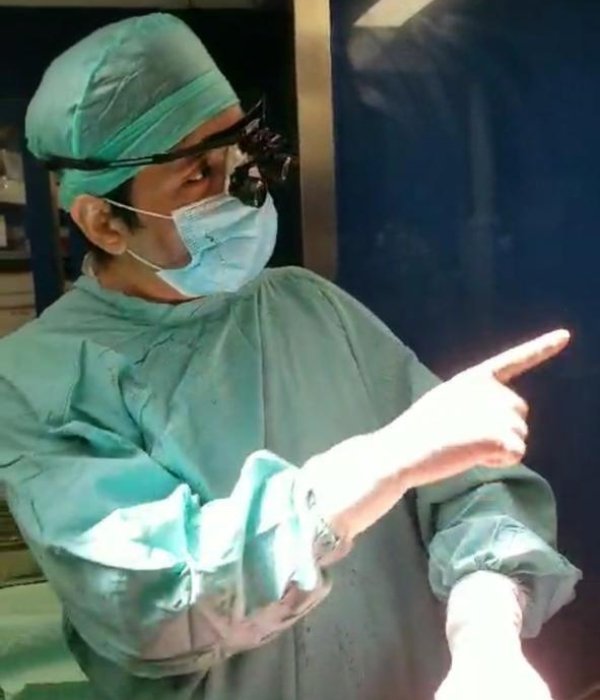
A child may need heart surgery when a heart condition affects normal blood flow, heart function or long-term health. The need for surgery depends on the type of condition, severity and the child’s overall health.
No. Some congenital heart defects only require monitoring, while others may need medication, catheter treatment or surgery depending on the condition.
Heart surgery can be performed at different ages, including newborns, infants and older children. The timing depends on the child’s diagnosis, symptoms and medical needs.
Pediatric cardiac surgery can treat congenital heart conditions such as ASD, VSD, Tetralogy of Fallot and other structural heart problems that affect circulation.
The required tests depend on the child’s condition but may include echocardiography, ECG, imaging scans and other assessments to understand heart structure and function.
Recovery depends on the type of surgery, the child’s age, overall health and the complexity of the condition. The medical team provides guidance based on the individual case.
Yes. A second opinion can help parents better understand the diagnosis, recommended procedure and available treatment options before making a decision.